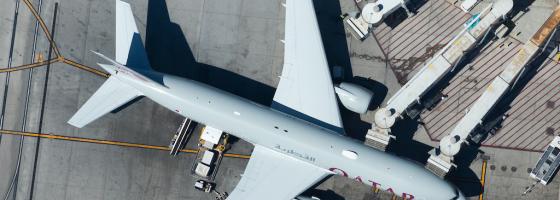
The traffic rights between two countries are regulated by Air Services Agreements (ASA). Following the consolidation of the European Union, some clauses of the bilateral agreements between EU Member States and third countries entered in conflict with the European legislation. To solve this, the European Commission is negotiating bilaterally with third countries 'Horizontal Agreements' which replace all those bilateral clauses that are infringing EU law. For several years now, the European Commission has negotiated different models of agreements to enhance cooperation between European Member States and third countries, e.g. in the areas of safety, security, ATM. The most comprehensive ones concluded are with the US and Canada. The Commission is in the process of finalising the on-going negotiations with Brazil and has recently started talks with Qatar and ASEAN.
ECA regularly attends the stakeholders' committee meetings (Consultative Forum on EU External Aviation Policy) and has the opportunity to voice pilots’ concerns. ECA is also invited to participate in each round of negotiations and provides the Commission with expertise and advice on relevant issues. Besides, ECA works in close cooperation with the pilots' associations of third countries and is part of the EU delegation in both sets of negotiations.
ECA makes sure that the Air Transport Agreements create market development and employment opportunities for pilots while not downgrading European pilots' rights, employment terms and working conditions. If creating a legal framework to enhance safety harmonisation and economic development of air traffic creates market opportunities, it might also bring unfair competition, social dumping and a risk of flags of convenience if the two parties are not on an equal level playing field. Therefore, ECA has been advocating for the inclusion of a comprehensive and enforceable ‘social clause’ in the future Air Transport Agreements.
External Links
European Commission: Directorate General for Transport & Internation Aviation