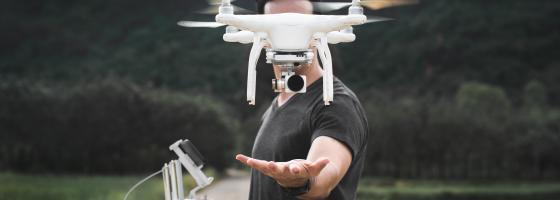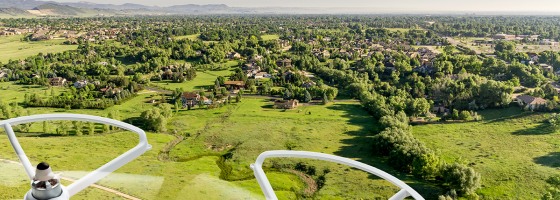
Over the past decades, Unmanned Aircraft Systems (UAS+), also called Remotely Piloted Aircraft Systems (RPAS) – or a ‘drones’ as they are more commonly known – have been introduced in increasing numbers across many nations and mainly military services. But today, anyone can buy a remote controlled aircraft and use it in civil airspace. The commercial advantages and possibilities of these UAS or RPAS seem almost unlimited and because of decreasing costs - also the recreational user will be a new partner in airspace.
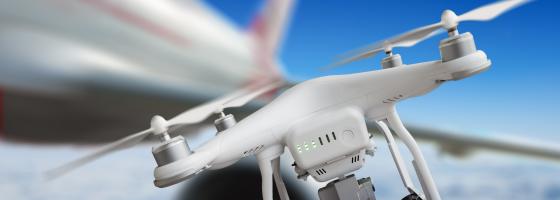
However, given the shape and size of drones, they might not be visible to other traffic, especially when speed is taken into account. UAS or RPAS – even light ones below 1kg – can cause immense damage to helicopters, the impact of damage to fixed-wing commercial aircraft is not even evaluated yet. The potential safety (and security!) risks are immense, and the safety and security aspects of integrating UAS or RPAS into airspace need to be carefully addressed by the regulators.
ECA is concerned about a potential degradation of the existing high level of aviation safety when considering the integration of UAS or RPAS in shared airspace. This is due to the limitations and properties of UAS or RPAS and their pilots and especially the widespread lack of knowledge about manned low level operations.
It must always be the case that real people, whether in the air or on the ground, have their safety prioritised over the ability or right to operate a drone.
When integrating UAS or RPAS into the airspace, some key issues need to be addressed by the regulators, i.e. vulnerabilities of the technologies, the fragmented regulatory frameworks in Europe and across the world, licensing standards and the safety and security aspects of integrating UAS or RPAS into airspace, let alone privacy and liability issues.
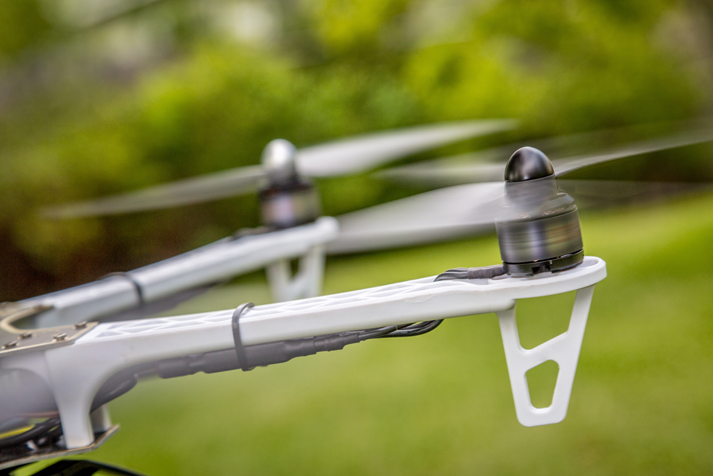
In 2014, ECA created a dedicated RPAS Working Group (WG) that gathers experts in the field of Remotely Piloted Aircraft Systems. The name of the group was changed to Unmanned Aircraft Systems Plus (UAS+) WG in 2020. Their expertise is instrumental in providing input to the regulators (i.e. to the European Aviation Safety Agency (EASA) and the expert group working on developing regulatory framework for UAS in Europe).
At the moment, EASA and the Joint Authorities for Rulemaking on Unmanned Systems (JARUS), as well as the European Commission and SJU are the main European interlocutors for ECA regarding RPAS. In addition, ECA is actively monitoring and participating in numerous meetings at international level on UAS or RPAS.
In April 2015, ECA released its first position paper on Airborne threats of Low Level Remotely Piloted Aircraft System (RPAS) that gives the pilot’s view on the integration of light RPAS in the low level airspace by both the professional and recreational user. A follow up position paper published in July 2015 – The RPAS ‘Open Category’ in EASA’s Concept of Operations for Drones – describes the position of Europe’s professional pilots on the standards and rules necessary for the safe use of drones in EASA’s ‘Open’ category. Ever since then – ECA RPAS experts contributed actively to the work of EASA’s technical groups on UAS (RMT.0230) as well as the Informal High Level Commission Expert Group on Drones.
Important element of discussion on unmanned aircraft is the issue of responsibility, qualifications and training of the actual unmanned aircraft pilots. In order to bring the two worlds (manned and unmanned pilots) closer together and exchange ideas, while identifying common challenges & trends – ECA organised a workshop among manned and unmanned pilots in autumn 2017, so called ‘Pilot2Pilot workshop’. The workshop was aimed at gathering drone, fixed wing & helicopter pilots together, and produced interesting conclusions, e.g. that drone, airline & helicopter pilots have much more in common than just the same airspace, and that both professional unmanned and airline pilots do meticulous pre-flight preparations, assess the environment and focus on ensuring and executing a safe flight. The role of a pilot in command is the same regardless of aircraft: managing risk & controlling the aircraft safely.